Key Takeaways
Remodeling a historic West Michigan home is not about making an older house feel brand new. It is about preserving and protecting the details that give your home character while updating its layout, safety, and function.
- The best projects start with a thoughtful plan. You need to know what is worth preserving, where your home may need structural or mechanical updates, and how to use your investment wisely.
- With the right remodeling partner, your older home can feel more comfortable without losing the charm that made you love it.
Why Historic Homes Need a Thoughtful Remodeling Plan
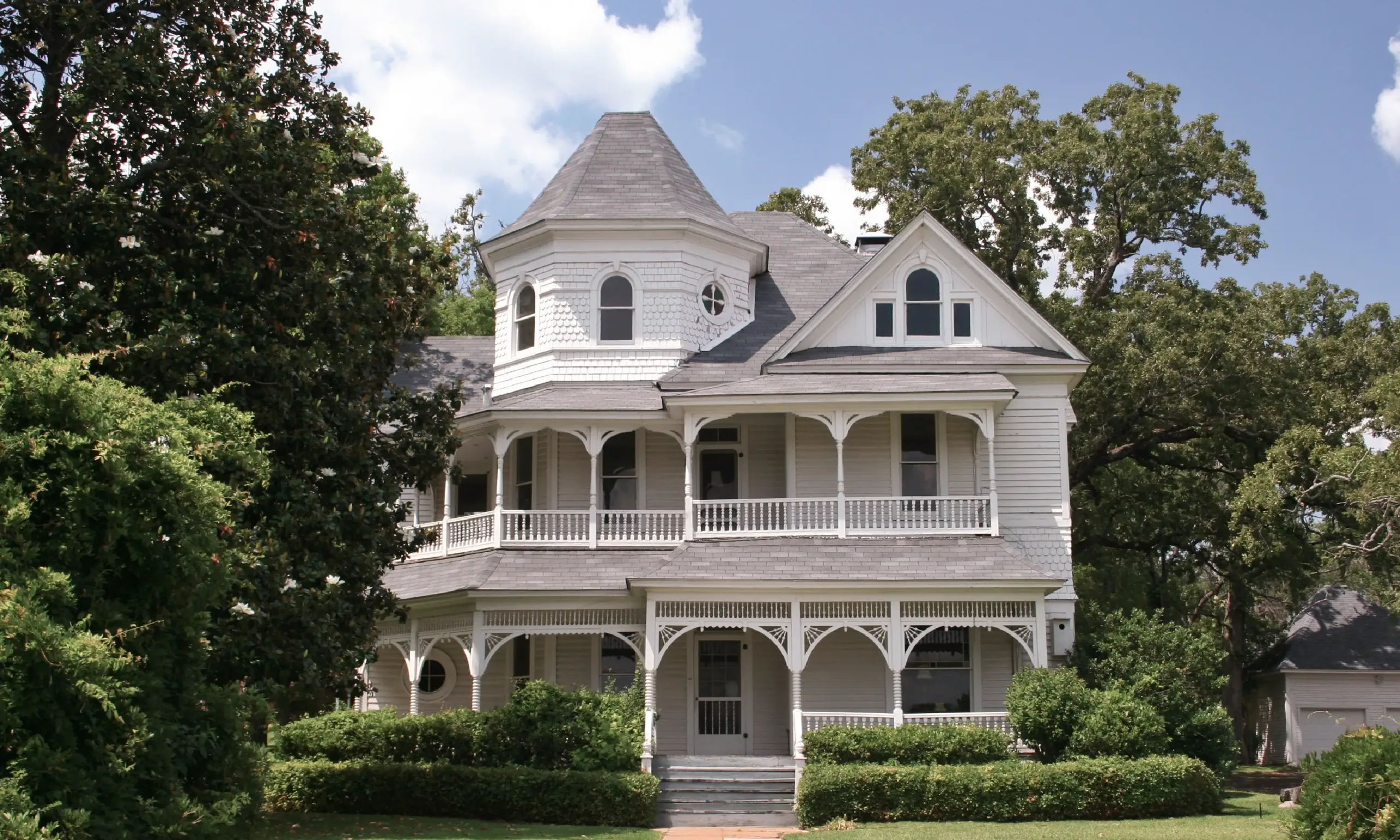
If you own an older home in West Michigan, you already know part of its charm comes from details you cannot easily recreate: original trim, tall windows, built-ins, wood floors, archways, and the feeling that your home has a decades- or centuries-old story.
Those same details can also make remodeling more complex. Older homes often have unique framing, outdated systems, uneven floors, limited insulation, and layouts that do not match the way families live today. A quick fix may solve one problem, but it can create another if the work is not planned carefully.
At Ridgewood Home Construction, our design-build approach helps homeowners in Greater Grand Rapids move through the phases of remodeling with clarity. Our process is rooted in transparency, efficiency, and craftsmanship.
The goal in your older home remodel is not to erase your home’s history. The goal is to make thoughtful updates that honor that history and support your daily life.
Challenge 1: Preserving Character While Improving Function
Historic homes often have features that deserve to stay. Original millwork, doors, staircases, flooring, and built-ins can add warmth that new construction rarely matches. The challenge is deciding how to preserve those details while improving your home’s functionality.
Maybe your kitchen feels closed off, or your bathroom lacks storage. Maybe your main floor has beautiful rooms, but the flow feels awkward when you host family or friends in your space.
A successful historic remodel should feel like it belongs to the home, not like a modern room was dropped into the middle of it.
That may mean matching trim profiles, reusing original materials where possible, designing cabinetry that fits the era of the home, or choosing finishes that bridge original and updated details. The right solution does not have to make every room look vintage. It should make every room feel intentional.
Challenge 2: Hidden Conditions Behind Walls & Floors
Older homes often hold a few surprises, which is why a realistic budget and a clear process matter from the start.
Once walls, floors, or ceilings are opened, your remodeler may find:
- Outdated wiring
- Aging plumbing
- Insufficient insulation
- Uneven framing
- Old water damage
- Structural concerns
These discoveries are not always visible during the first walkthrough, but they can affect the scope, schedule, and investment.
This is where planning makes a real difference. A strong remodeling process should include careful discovery, honest communication, and room in your budget for unknowns. You should never feel left in the dark about what was found or why a change is needed.
Challenge 3: Updating Kitchens, Bathrooms & Basements Without Losing Their Character
In an older home, the best remodel is not always the biggest remodel. It is the one that solves the right problems.
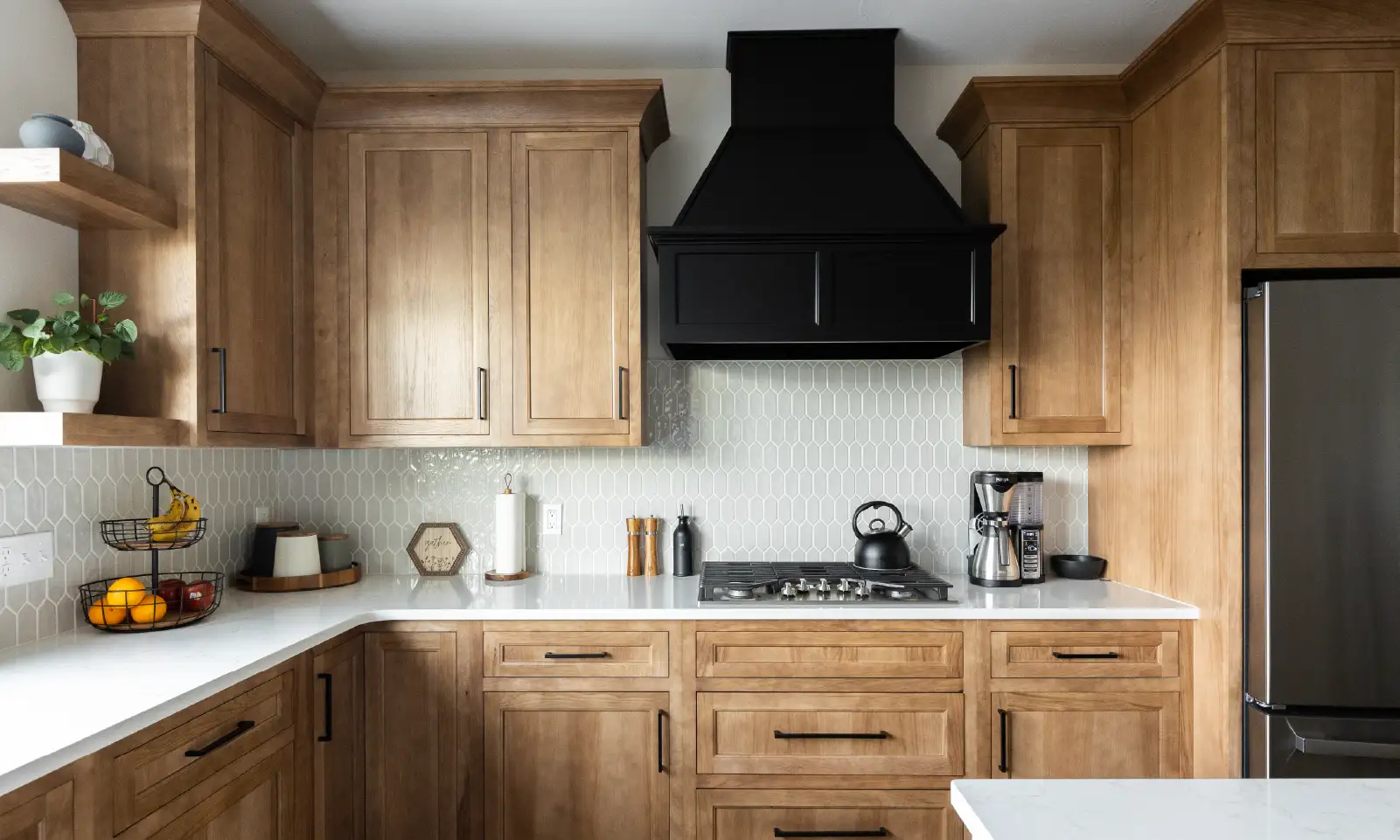
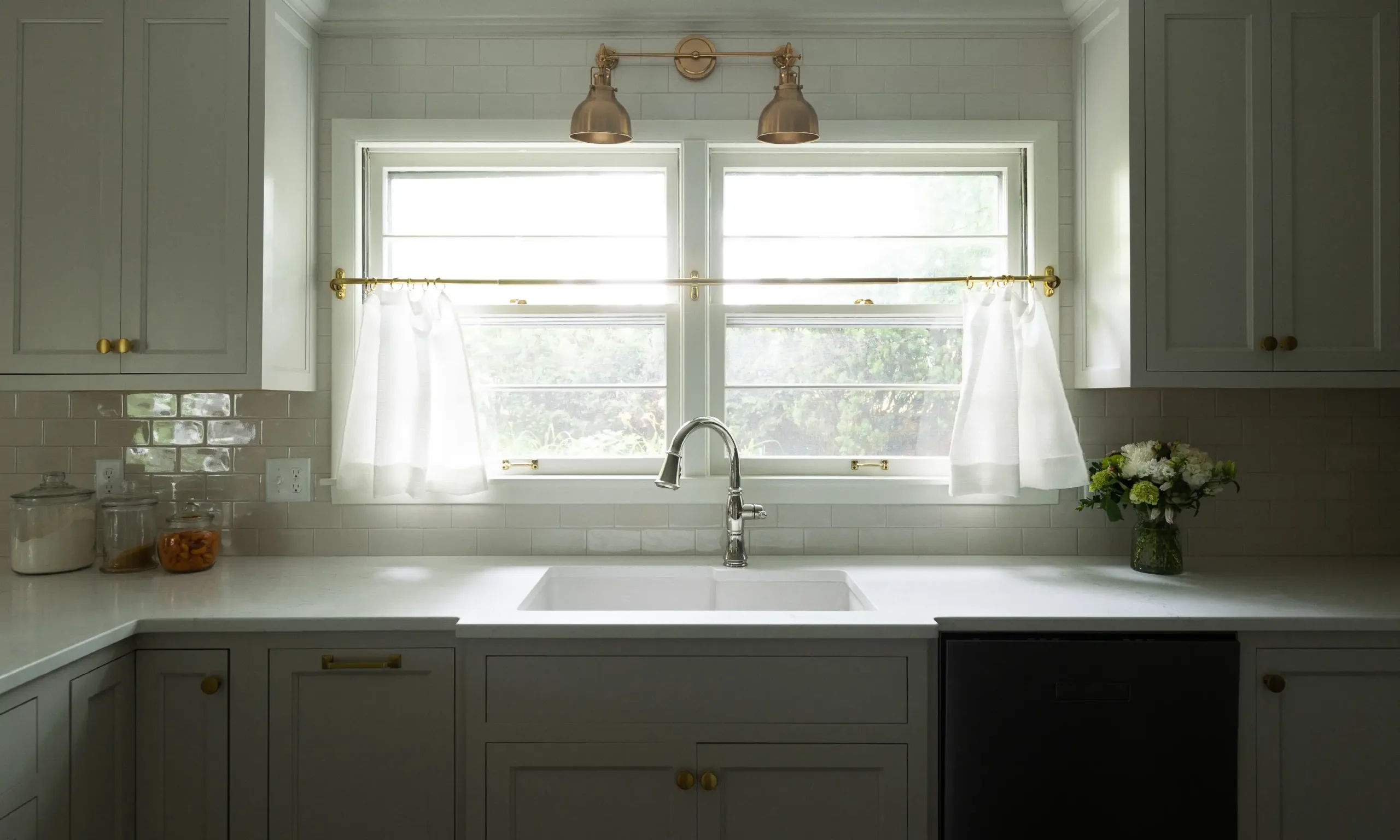
A kitchen remodel may focus on layout, storage, lighting, cabinetry, countertops, plumbing, electrical system, and finishes. In an older home, even small layout changes can require careful planning because walls, floors, and mechanical systems may not be as straightforward as they are in newer houses.
Bathrooms can come with similar challenges. Older bathrooms may have tight footprints, limited ventilation, dated plumbing, or tile that has reached the end of its life. A thoughtful remodel can improve comfort and storage while still feeling right for the home’s age.
Basements deserve special care, too. Many historic West Michigan homes have lower levels with moisture issues, low ceilings, exposed mechanical systems, or limited natural light. Before you plan a finished basement, think through moisture control, insulation, electrical updates, lighting, flooring, and code compliance.
Challenge 4: Permits, Historic Districts & Local Requirements
If your home is in a historic district or is a designated landmark, exterior changes may need review before work begins.
In Grand Rapids, exterior additions, alterations, repairs, and other improvements to properties in a historic district or on a historic landmark may require a Certificate of Appropriateness. Projects may be reviewed by staff or the Historic Preservation Commission, depending on the scope.
That does not mean your remodel has to feel overwhelming. It simply means the planning stage matters.
Before you commit to major exterior changes, gather the right information, confirm what approvals may be needed, and work with a team that understands how to plan around those requirements.
Challenge 5: Budgeting With Realistic Expectations
Historic homes deserve excellent craftsmanship, but they also deserve honest conversations about investment, scope, and priorities.
The cost of remodeling an older home depends on many factors:
- The age of your home
- The condition of the electrical and plumbing systems
- The square footage of the remodel
- The finishes and materials you choose
- The unknown conditions uncovered during construction
That is why transparent pricing is so important. Before you fall in love with a design, you should understand the investment range that fits your goals.
Our Remodeling Investment Guide is a helpful starting point because it gives Grand Rapids homeowners local pricing ranges for common projects, including kitchens, additions, basements, and bathrooms.
This guide is a starting place for you, but it does not replace a custom proposal. Your home, goals, and existing conditions are unique. A consultation gives you a clearer picture of the scope, timeline, and budget needed to successfully bring your vision to life.
How Ridgewood Helps Homeowners Remodel With Confidence
Ridgewood helps you enter the process at the right pace. You want to make the most important decisions before construction begins. Planning, design, budgeting, and selections give your project a stronger foundation before construction begins. That matters in a historic remodel.
The more decisions you make upfront, the easier it is to protect your home’s character, manage your investment, and keep the project moving with fewer disruptions.
Ridgewood serves homeowners throughout Greater Grand Rapids with custom remodeling and home additions. As you explore your options, see our reviews from local families and browse our portfolio to get a feel for the care, communication, and craftsmanship Ridgewood brings to home across West Michigan.
Ready to Plan Your Historic Remodel?
Your historic home has already stood the test of time. With the right plan, it can keep its character while becoming more comfortable, functional, and personal to your family.
When you are ready to talk through your home remodel, schedule a consultation with Ridgewood Home Construction to plan your next step with confidence.
FAQs About Remodeling a Historic West Michigan Home
Q: Can I modernize an old home without losing its character?
A: Yes. The key is to preserve the details that matter most while improving the spaces that affect daily life. That may include better lighting, smarter storage, updated systems, improved flow, and finishes that feel natural in your home.
Q: How much does it cost to remodel a historic home?
A: Cost is dependent on the scope, structure, systems, materials, and finishes. Older homes may also need updates behind the walls before cosmetic work begins. Start with Ridgewood’s Remodeling Investment Guide to review local planning ranges before you schedule a consultation.
Q: Do I need special approval to remodel a historic home?
A: You might. Interior work may follow standard permitting procedures, but exterior work on a historic district property or a historic landmark may require additional review. If your home is in a historic area, confirm the requirements before planning exterior changes.
Q: What should I do first?
A: Start with a clear wishlist. Think about what you love, what no longer works, and what you want your home to feel like when the project is complete. Then schedule a design consultation so Ridgewood can help you understand your options, budget, and next steps.